


Live

Know what every aircraft needs, before it falls due

Airwright is NirnayAI's continuing-airworthiness and maintenance platform for operators regulated by India's DGCA. It keeps each aircraft's programme, life limits and records in one place, tracks every task against the hours, cycles and calendar the aircraft actually flies, and carries the work from due to signed off, across the CAMO, the Part-145 shop and the stores.

Back to Aviation

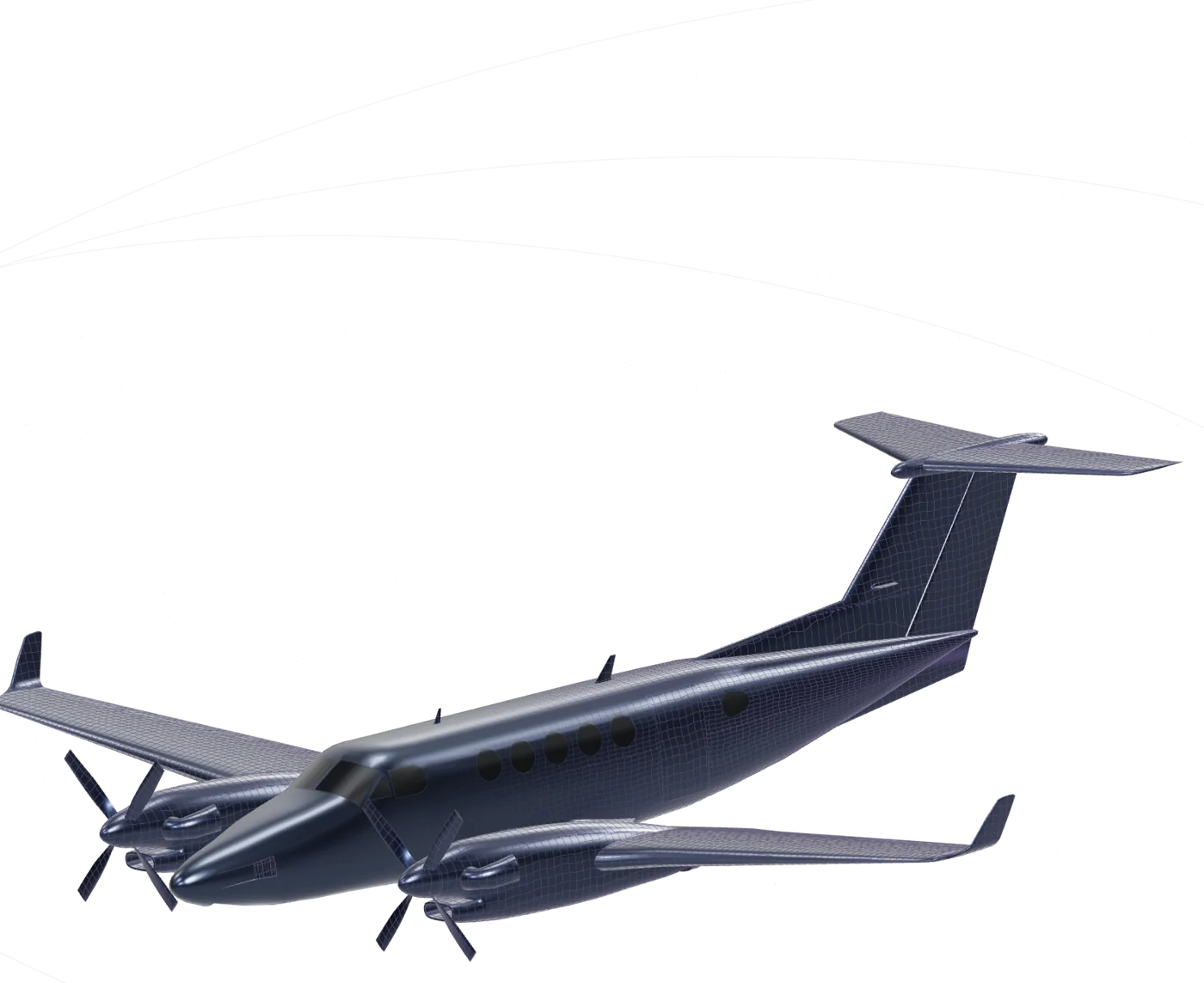
Aircraft model: Beechcraft Super King Air by Emmanuel Baranger for FlightGear (GPL), in the Airwright livery.

Why Airwright

Airworthiness is a chain, and every link has to hold

Keeping an aircraft legally fit to fly means keeping many things in step: the maintenance programme and its intervals, airworthiness directives and life-limited parts, the hours and cycles every flight adds, the work that clears what falls due, the parts that work consumes, and the people authorised to sign each step.

In many operations these live in separate workbooks, log books and inboxes. Each flight changes a countdown somewhere, and each handover is a chance for something to be counted twice, or not at all.

Airwright keeps them in one system of record. A logged flight moves the counters, the counters move what is due, what is due becomes work, and signed-off work sets the next due. Every change is written to a tamper-evident audit trail.

Up to seven clocks on a task, whichever runs out first

A maintenance task can fall due by more than one measure. Each task in Airwright can carry up to seven limits, and the first to run out sets its due date.

  • Airframe hours
  • Landings or cycles
  • Engine hours
  • Engine cycles
  • APU hours
  • APU cycles
  • Calendar time
Watch

Watch Airwright in action

A narrated tour in under two minutes: the fleet board, the due report, life-limited parts, work orders and Part-145 sign-off, approvals, stores and procurement, and onboarding an aircraft from its own workbook.

What Airwright covers

Three parts of the operation, one record

Airwright is organised the way a maintenance operation is: the CAMO that keeps each aircraft airworthy, the Part-145 shop that carries out the work, and the stores that supply it. Each has its own workspace, and all three share one record.

CAMO

Continuing airworthiness management

Everything the CAMO needs to know that each aircraft is fit to fly, and to show how it knows.

  • A fleet board ordered by urgency, and a hub for each aircraft: its hours and cycles, flight log, programme, limits, components and records.
  • The maintenance programme, task cards and life-limited parts, with every task tracked against up to seven limits in one Due Report.
  • Airworthiness directives and service bulletins, including DGCA mandatory modifications, in a single register.
  • MEL deferrals and snags, each category's deadline counted from the moment an item is raised.
  • Maker-checker approvals for airworthiness changes, a monthly compliance review, and audits with their findings.

Part-145 MRO

The maintenance organisation

A workspace for the shop that does the work, whether it is your own or an outside organisation.

  • A work-order inbox for the work the CAMO sends, alongside the shop's own work orders.
  • Engineers assigned to each job, with their licences and authorisations checked when they are assigned.
  • Task cards, job sign-off and countersignature, and a sign-off queue that shows what is still open before a work order can close.
  • Finished work released with a certificate of release to service and handed back for the CAMO to accept.
  • Licences, authorisations and training records for everyone who signs, with their expiry dates in view.

Stores & procurement

Parts, tools and purchasing

The parts and tools the work depends on, from the first request to the shelf and on to the job.

  • Requisitions, enquiries and quotations, purchase orders, and goods receipts with inspection and acceptance.
  • Stock across every store, with reorder levels, transfers, loans, quarantine and stock audits.
  • Material issued against work orders, and returned when it is not used.
  • A tool register with calibration due dates, and tools checked out and back in.
  • Sales orders and invoices, and analytics on spend, stock health and vendor performance.

Across all three

  • Smart ImportOnboard an aircraft from the operator's own Excel workbook, reviewed and signed off before anything is created.
  • Roles and sign-offsEach post sees its own work, and airworthiness changes pass through named maker-checker approvals.
  • Audit trailEvery change is written to a tamper-evident audit trail.
  • Reports and registersRegisters, CAMO reports and exports, including a DGCA CAR-M monthly package.
How the work connects

From a logged flight to the next due date

Each step feeds the next, so the record stays current without being typed in twice.

  1. Log the flight

    Flights are entered in the flight log and verified. When a flight is approved, its hours, cycles and landings are added to the aircraft and its fitted parts in one step.

  2. See what falls due

    The Due Report works every task out against its limits and shows what is overdue and what is coming due, so planners see it before it is late.

  3. Raise the work

    Tasks chosen from the Due Report become work orders, one for each task, ready for your own engineers or a Part-145 shop.

  4. Do and sign the work

    The shop receives the work order, signs off each job and hands it back. Work closed in-house is verified by the CAM and then the Accountable Manager.

  5. Set the next due

    When the work order closes, the completion is recorded against the task and its next due date is worked out again.

Who it serves

For the people who keep aircraft flying

  • Operators and Accountable Managers

    Charter, air-ambulance, helicopter, business-aviation and flying-training operators that need to know, every day, what each aircraft needs and what is waiting for their signature.

  • CAMO engineers and CAMs

    The team that plans the maintenance and keeps the programme, directives and life-limited parts current, with every airworthiness change approved by the right people.

  • Maintenance organisations

    CAR-145 workshops that receive work orders, assign their engineers, sign off each job and hand released work back to the CAMO.

  • Stores and procurement

    Requisitions, purchase orders, goods receipts, stock, tools and calibration, tied to the work orders that use them.

Let's Connect

Talk to us about Airwright

Tell us about your fleet and how its maintenance is tracked today, and we'll walk you through Airwright.

A short form — two minutes, no account needed.